


Writing the Gospels
Composition And Memory
A fresh and original account of how the Gospels were written, given what we know of the compositional techniques of the time, and stressing the importance of memory
In stock
ISBN-13
9780281073405-grouped
From £20.99
Eric Eve is Research Fellow and Tutor in Theology at Harris Manchester College, Oxford, where he teaches New Testament.
...a meticulous and persuasive investigation of the role memory may have played in the shaping of the Gospels as we possess them, and a powerful argument for memory as a major category in scholarly work on the texts. Overall, the book is engaging, informative and handles swathes of complex theory with a light and deft touch
Eve is probably right in arguing that the Gospels were written to form and confirm Christian identity. After all this is why we listen to them, read them and preach from them today.
This book is a real gem, providing readers with a highly accessible, but thoroughly researched and deeply informed, treatment of the important topic of memory as a key factor in the process of Gospel writing by early Christians. It should be essential reading for students starting on Gospel studies, and will also be of value for all those interested in the nature of the Gospels, their sources, their aims and their authors.
About
Ancient authors and readers did not work with manuscripts the way we work with printed texts. It is thus all too easy to fall into anachronistic assumptions about how the Gospels were written. Writing the Gospels challenges such assumptions in the light of recent work on ancient media studies and suggests more appropriate models for the composition of the New Testament Gospels.
The main argument is that memory would have been central to the process of composition. The Evangelists almost certainly relied on their memory of the Hebrew Scriptures (and Israelite tradition in general) for their use of them. They will also have been both informed and constrained by the social memory of the primitive Church. It is argued here that they will most likely have relied on their memory of their written sources, or at least, that it is a better working assumption that they did so than that they necessarily worked with their written sources open in front of them. So, for example, Matthew may well have been used to performing Mark from memory and would have had no need to consult a copy if he used Mark as the basis of his own work.
While other aspects of ancient composition are addressed, the main concerns of this study are first to establish the centrality of memory in ancient composition and secondly to explore the implications of assuming that the Evangelists worked mainly from memory, as many of their contemporaries did.
The main argument is that memory would have been central to the process of composition. The Evangelists almost certainly relied on their memory of the Hebrew Scriptures (and Israelite tradition in general) for their use of them. They will also have been both informed and constrained by the social memory of the primitive Church. It is argued here that they will most likely have relied on their memory of their written sources, or at least, that it is a better working assumption that they did so than that they necessarily worked with their written sources open in front of them. So, for example, Matthew may well have been used to performing Mark from memory and would have had no need to consult a copy if he used Mark as the basis of his own work.
While other aspects of ancient composition are addressed, the main concerns of this study are first to establish the centrality of memory in ancient composition and secondly to explore the implications of assuming that the Evangelists worked mainly from memory, as many of their contemporaries did.
Author
Eric Eve is Research Fellow and Tutor in Theology at Harris Manchester College, Oxford, where he teaches New Testament.
Reviews
...a meticulous and persuasive investigation of the role memory may have played in the shaping of the Gospels as we possess them, and a powerful argument for memory as a major category in scholarly work on the texts. Overall, the book is engaging, informative and handles swathes of complex theory with a light and deft touch
Eve is probably right in arguing that the Gospels were written to form and confirm Christian identity. After all this is why we listen to them, read them and preach from them today.
This book is a real gem, providing readers with a highly accessible, but thoroughly researched and deeply informed, treatment of the important topic of memory as a key factor in the process of Gospel writing by early Christians. It should be essential reading for students starting on Gospel studies, and will also be of value for all those interested in the nature of the Gospels, their sources, their aims and their authors.
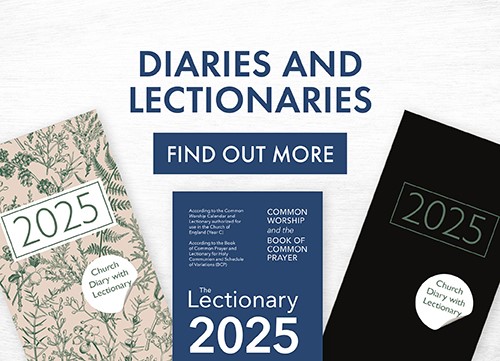
Diaries and Lectionaries
We are proud to offer our own range of lectionaries, diaries and notebooks that come in a variety of colours and patterns!
Learn more





The main argument is that memory would have been central to the process of composition. The Evangelists almost certainly relied on their memory of the Hebrew Scriptures (and Israelite tradition in general) for their use of them. They will also have been both informed and constrained by the social memory of the primitive Church. It is argued here that they will most likely have relied on their memory of their written sources, or at least, that it is a better working assumption that they did so than that they necessarily worked with their written sources open in front of them. So, for example, Matthew may well have been used to performing Mark from memory and would have had no need to consult a copy if he used Mark as the basis of his own work.
While other aspects of ancient composition are addressed, the main concerns of this study are first to establish the centrality of memory in ancient composition and secondly to explore the implications of assuming that the Evangelists worked mainly from memory, as many of their contemporaries did.